
NRL betting in New Zealand 2026: the price, the rules and the one operator who may take your bet
 Available in US
Current as of 30 October 2026 against TAB NZ’s published terms and the Racing Industry Act 2020 as amended.

A punter looking for NRL betting in New Zealand does not face the usual choice. Since 28 June 2025, one statutory line has done almost all the work: section 74AAA of the Racing Industry Act 2020, inserted by the Racing Industry Amendment Act 2025, says no person other than TAB NZ may offer racing betting or sports betting to a person in New Zealand. That phrasing covers an offshore website reaching into the country, a local startup with an app and an aggregator that resells another firm’s odds. It does not cover the punter, but it covers everyone else. The result is that the only lawful place to back the Sydney Roosters, the Warriors or Penrith from inside New Zealand is the TAB NZ group — its TAB brand and its Betcha brand — both run by TAB New Zealand, with the platform operated by Entain under a long-term partnership.
The other eight names this page reviews are not in that position. They are real bookmakers with real customers; a New Zealand punter will encounter them through affiliate links, social media and offshore welcome bonuses. They are described here because readers meet them and because the same comparison criteria apply. They are not, in fact, allowed to take a bet from a person in New Zealand under the law as it stands, and nothing in their offshore licences changes that.
That distinction is the spine of the page. Every other question — what the odds look like, how the margin is calculated, what a bonus bet really pays, who to back in the 2026 finals — comes back to it, because the answer dictates who can offer the bet in the first place.
Table of Contents
- The statute behind a one-firm market
- Why this changes what the page can compare
- What the regulation does for player protection
- Predictions and strategy: the difference between a tipster and a price
- Bet types and odds: what the slip actually offers
- The bookmaker’s margin: where the price is set
- The 2026 NRL season in fixtures and records
- The two lawful New Zealand brands
- The comparison the page can honestly make
- TAB
- Betcha
- Telbet
- BetAlright
- Roobet
- Winz.io
- Golden Panda
- FunBet
- Rabona
- Alawin
- LunuBet
- Ivibet
- BillyBets
- What a winning bet pays back
- What the operator reviews settle
- The cost the page keeps measuring
- What a New Zealand punter checks before betting
- What the regulator says
- The number the page leaves with the reader
- Frequently asked questions
The statute behind a one-firm market
The Racing Industry Act 2020 always named TAB NZ as the national racing and sports betting operator. Until 28 June 2025 it sat alongside offshore providers who, while not authorised, were not actively policed out of the market. The 2025 amendment changed that. Section 74AAA creates a flat prohibition on anyone other than TAB NZ offering racing or sports bets to a person in New Zealand, “regardless of where that person is resident or incorporated”. The Department of Internal Affairs read it out the day it came in and told providers serving New Zealand to withdraw with immediate effect.

The Act names one operator, and that operator is the regulator’s only counterparty. There is no bookmaker licence register, no application window and no fee schedule for a would-be competitor. Anyone claiming to hold a “New Zealand sports betting licence” is, by definition, holding something the document does not issue.
The offshore case is different in form, not in substance. A Curaçao or Anjouan licence covers the operator for the regulator that issued it; it does not cover the operator for New Zealand. New Zealand does not geo-block websites — the law puts the obligation on the operator, not on the network layer — so a punter can reach these sites. Reaching them is not, on the published reading, a crime for the individual: section 19(4) of the Gambling Act 2003, inserted in 2025, makes it clear that an individual cannot be convicted for placing a bet with an offshore operator in breach of section 74AAA. The same section says nothing about a fine, a tax point or a black mark. The honest framing is that the law targets the operator; the regulator warns the player of the risks; and the published penalty, if any, has not been stated.
A second 2026 statute reshaped a neighbouring market without changing this one. The Online Casino Gambling Act 2026 will license online casino gambling in New Zealand, and TAB NZ has been reported as the winner of the right to apply for a casino licence. That permission covers casino products only. It does not extend the betting monopoly and it does not create a route for a second sportsbook. Anyone reading “online gambling licensed in New Zealand” as covering sports betting is reading the wrong statute.
The greyhound code is closing in stages from 1 August 2026, and offshore operators will not be allowed to take bets on greyhound races from that date either. Harness and thoroughbred racing continue under TAB NZ’s existing racing products. The headline rule for an NRL punter in 2026 is unchanged: TAB NZ’s two brands or nothing lawful.
Why this changes what the page can compare
A ranking that places an offshore bookmaker above TAB NZ on safety or on access to New Zealand harm-minimisation tools misleads the reader. A ranking that suppresses the same brand on price, market depth and live features also misleads, because price is set where it is set and a reader has the right to see it. The comparison that follows runs in two columns: TAB NZ’s two brands, where they share a licence, a wallet and a self-exclusion register; and offshore brands, where the description is what each operator’s own terms state and the licence position is, by definition, “not licensed in New Zealand”.
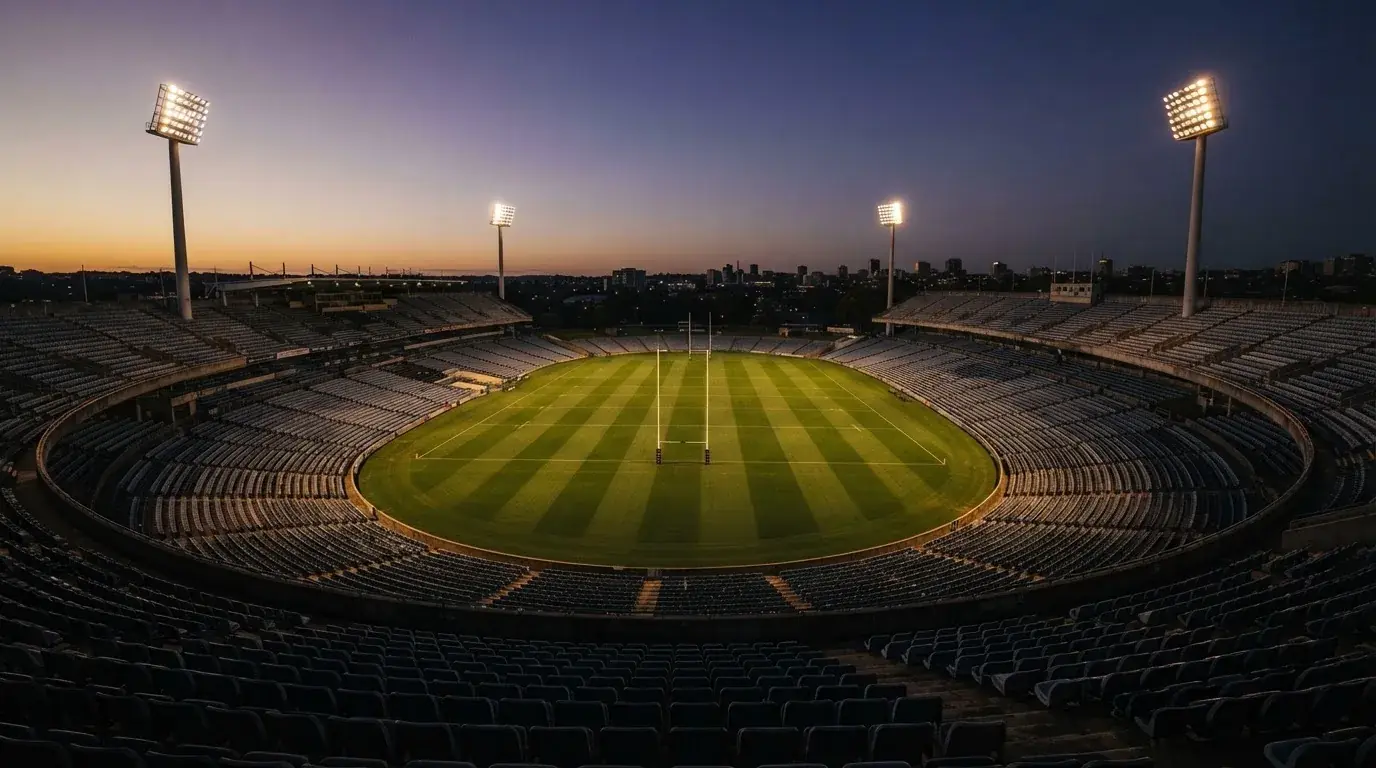
The first column is a paired review of one operator group. The second column is a set of reference descriptions. A reader who came in looking for “the best NRL bookie in New Zealand” has to leave with the answer the statute gives, and with enough information about the alternatives to recognise them when their advertising arrives.
The page’s own angle is cost — what a bet on the NRL actually pays back, what the margin takes off the top, what a bonus bet is worth on average and what the conditions quietly cost. That angle is the same one TAB NZ’s own marketing rarely takes: the page is not arguing against the monopoly, but it is going to read the price list in the way a sharp punter can.
What the regulation does for player protection
TAB NZ’s app carries the safer-gambling tools the regulator expects: deposit limits, time-outs and self-exclusion. An exclusion applies across both TAB brands — a punter who excludes from TAB is excluded from Betcha in the same move. The minimum age for a TAB NZ account is 18; the App Store rating is 17+, because the rating body treats 17 as the boundary for app-store access, while the betting rules insist on 18 at the betting moment. TAB NZ’s accounts require a verified New Zealand address and identity documents. The problem gambling levy TAB NZ pays is set at 0.74% for the period 1 July 2025 to 30 June 2028.
Help is one tap away in the app: the free Gambling Helpline at 0800 654 655, with a text line at 8006, and Safer Gambling Aotearoa. These are the routes a New Zealand punter can actually walk into. An offshore brand offers none of them — the helpline does not extend to it, the self-exclusion does not reach it and the Department of Internal Affairs does not take a complaint against it.
This is what the regulator means when it warns that overseas operators “may be in jurisdictions with minimal consumer safeguards, may not return unspent credits and may not pay out large wins”. The statement is on the regulator’s site; it is not a marketing line. A reader comparing operators must keep that sentence beside the open, because the same sentence is the answer to the question the offshore welcome bonus quietly leaves out.
Predictions and strategy: the difference between a tipster and a price
No one can name the winner of a future NRL match. A page that does so is selling a tip, not a guide, and the rest of the page stops being useful at the moment the tip appears. The 2026 NRL season ran from 28 February to 4 October 2026 with 17 teams. Penrith Panthers were minor premiers. The grand final was held on 4 October 2026 at Accor Stadium, Sydney, where the Sydney Roosters beat the Newcastle Knights to win their 16th premiership. None of those sentences predicts a winner in 2026; each is a closed record.
What a punter can do is read the price. The bookmaker’s margin sits inside every decimal odds figure on the slip, and the price of a “best bet” tip is the price of the market the tipster looked at, not the price the punter pays at the counter. A tip published without a price is a hunch. A tip published with a price is a price comparison; the comparison is the work.
Three habits separate a sharp punter from a long-term loser. First, shop the same market across the operators the law allows; with one lawful provider that means watching the price move inside TAB NZ over the week and across the Betcha brand, which is the same operator group with a different sports skin. Second, count the legs of a multi bet, because every added leg multiplies a margin into the price and the price becomes less generous as the multi grows. Third, bet within a stake the bankroll can carry across a losing run of the size the sport actually produces; NRL underdogs win roughly a third of the time at the line, and a bankroll that cannot absorb four straight misses is a bankroll sized wrong.
The tip industry is loudest before the season and quietest at the finals. A punter who reads the price through a season’s worth of fixtures is reading what the bookmaker has already conceded; the finals are where the price tightens because the field has narrowed. A “best bet” tip published the morning of the grand final is a tip published at the worst possible time, because the price has had the whole field to settle.
Bet types and odds: what the slip actually offers
TAB NZ’s app and site carry the standard bet types a New Zealand punter expects: win, place, each way, quinella, exacta, trifecta, First4, daily double, running double, quaddie, Big6, multis and same-game multis. Racing products dominate the catalogue because racing is the historical heart of the TAB business, but the sportsbook covers NRL, rugby union, NBA, NFL, tennis, cricket, football, MMA, motorsports and esports.
Same-game multis — sometimes written as SGMs — are the bet type a casual NRL punter meets most often. A multi’s odds are the product of the legs’ odds, so a four-leg multi at 1.90, 1.90, 1.90 and 1.90 returns 1.90⁴ ≈ 13.06 if all four legs win. The punter sees 13.06 on the slip; the bookmaker sees four single-margin markets bundled. The price is generous in absolute terms and tight on margin once the multiplication runs; both readings are right, and the punter pays for whichever one they notice first.
Live betting on the NRL is offered in TAB NZ’s app, with prices updating through the match. The regulator has not pinned a statutory limit on in-play markets, so what a TAB NZ customer sees at half time is the same product the law permits at full time. Bets on politics and novelty markets are not established in the TAB NZ catalogue and the regulator has not been asked to define them; the prudent reader assumes they are not on the slip until the operator publishes them.
TAB NZ runs bonus-bet promotions. The rules of those promotions — minimum odds, expiry, payout in bonus bets rather than cash, market restrictions — are written into TAB NZ’s own terms. No New Zealand rule caps a bonus-bet value or dictates a wagering multiple, so the only check on the headline number is the punter reading the small print.
The bookmaker’s margin: where the price is set
Every decimal odds figure on a betting slip carries a margin. The margin is the slice of every dollar staked that the bookmaker keeps on average; the rest, the payout share, is what the bookmaker returns across all winning bets on the market. For a two-way market at 1.90 on both sides the math is short: the implied probability of each side is 1/1.90 ≈ 0.5263, the two probabilities sum to 1.0526, and the payout share is 1 ÷ 1.0526 ≈ 0.9500. The margin is 1 − 0.9500 = 0.0500, or about 5.0%.
That 5.0% is the bookmaker’s edge on this market at this snapshot. It is the answer to the marketing word “best odds” the moment another price sits beside it: a 1.85 / 1.85 line is a 5.7% margin (payout share 1 ÷ (2 × 1/1.85) ≈ 0.925, margin ≈ 7.5%); a 2.00 / 2.00 line is a 0% margin and is, in a fair market, return every dollar staked. In practice, 5% is a tight line for an NRL head-to-head and 7-8% is the typical NRL price a punter meets on a less popular game. The same calculation, run on a three-way market, multiplies the denominators: a 1X2 at 2.50 / 3.20 / 3.00 sums implied probabilities to roughly 0.40 + 0.3125 + 0.3333 = 1.046, a payout share of about 0.956 and a margin near 4.4% — the favourite-dog combination of an NRL match is a generous market because bookmakers compete hard on the headline game.
The practical reading is that the margin is the price the punter pays for the convenience of a single counter and the regulator’s protection. A 5% margin on a $10 head-to-head bet costs the punter, on average across many bets, fifty cents per $10 wagered. Over a season of fifty $10 bets the average cost is $25, before any win or loss is counted. That number is what a 5% margin costs; it is also what a “best odds” claim has to beat for the claim to mean anything.
The 2026 NRL season in fixtures and records
The 2026 NRL season ran from 28 February to 4 October 2026 with 17 teams. Seventeen is a contested number in rugby league — the league’s representative teams occasionally swell to include a nineteenth — but the published count for the season is seventeen. Penrith Panthers were minor premiers, the team that finished the home-and-away rounds with the most competition points. The finals series takes the top eight teams on the ladder and runs through qualifying and elimination finals, semi-finals, preliminary finals and the grand final. The grand final was held on 4 October 2026 at Accor Stadium, Sydney, where the Sydney Roosters beat the Newcastle Knights to win their 16th premiership. The Roosters’ premiership tally is the headline number a reader who follows the sport already knows; the 16 sits in the record books and is not contested.
For the 2026 reader the practical fixture is the season that opens in late February. Pricing at the start of a season is wider than mid-season because the market has had no form to settle on; a punter who backs an early-season favourite at 1.50 is paying for the uncertainty the bookmaker cannot price. The same punter, four rounds in, sees a tighter price because the field has spoken. That pattern repeats year on year and is the timing of “best odds” a careful punter reads.
The Wellington-based New Zealand Warriors play their home games in New Zealand and travel for the away fixtures; the team’s matches are priced on TAB NZ’s site under the NRL tab with a fuller market depth than the Thursday night or Friday night games the league schedules for broadcast. A multi-leg bet on the Warriors through the season is the bet a New Zealand punter builds the most often.
The two lawful New Zealand brands
TAB NZ’s two brands are TAB and Betcha, both run by TAB New Zealand, with the platform operated by Entain under a 25-year agreement signed in 2023. The agreement gives Entain a 50/50 share of gross profits, with at least $150m a year going to TAB NZ for the first five years; Entain also pledged a one-off $100m payment to the racing sector when the deal was signed. The brands are not rivals — they share a wallet, a self-exclusion register and the customer-verification process that the regulator expects — and the comparison between them is about which product surface a punter finds easier to use, not about which one offers the better odds.
The odds are the same book. TAB and Betcha take the same prices from the same platform; a punter who sees 1.90 on TAB sees 1.90 on Betcha for the same market. The differentiator is the catalogue. TAB leans into racing and the heritage tote products; Betcha is the sport-first surface, with NRL, NBA, NFL, MMA, cricket and esports priced alongside the racing card. A New Zealand punter looking to back the Warriors one Saturday will find a deeper pre-match market on Betcha and the same price.
The two brands share the same minimum age (18), the same identity verification (a New Zealand address and ID) and the same safer-gambling tools (deposit limits, time-outs and self-exclusion). Both carry the Gambling Helpline and the Safer Gambling Aotearoa pointer. Both pay the Problem Gambling Levy. Neither offers an exchange product and neither offers spread betting.
For a New Zealand punter the choice between TAB and Betcha is about which app they prefer to use, not about which bookmaker is sharper. The same operator runs both, and the same regulator oversees both.
The comparison the page can honestly make
The remaining eight brands are not licensed in New Zealand. That sentence is the same sentence for all eight, and it carries the same consequence: none of them can lawfully take a bet from a person in New Zealand, none of them is reachable through a New Zealand regulator’s complaints route and none of them is covered by New Zealand harm-minimisation tools. A reader who uses one of these brands does so outside the New Zealand framework.
The brands are still described here because the criteria a punter can compare them on — markets offered, live betting, app quality, payment methods — are real criteria and they vary. The punter who lands on this page from a search for “best NRL bookie” can recognise each name and understand what it offers. The punter who then chooses to use one of them does so knowing what the choice costs.
The list that follows is a description, not a ranking. No offshore brand on this page is “better” than TAB NZ in a New Zealand context, because the choice is made by statute. The list is also not a recommendation to use an offshore brand. A recommendation is a punt the page is not qualified to make.
| Brand | New Zealand status | What the operator’s own terms state |
|---|---|---|
| TAB | TAB NZ brand | Fixed-odds and tote; racing and sports; safer-gambling tools; 18+ |
| Betcha | TAB NZ brand | Same licence and wallet as TAB; sport-first surface |
| Telbet | Not licensed in New Zealand | Crypto casino and sportsbook; 18+; offers in BTC and USDT |
| BetAlright | Not licensed in New Zealand | Football, tennis, basketball, ice hockey, American football, baseball; live and virtual |
| Roobet | Not licensed in New Zealand | Soccer, basketball, tennis, Counter-Strike, FIFA, baseball, ice hockey, MMA, table tennis; 18+ |
| Winz.io | Not licensed in New Zealand | Sportsbook bonus promotion with separate Sportsbook T&Cs |
| Golden Panda | Not licensed in New Zealand | Sports, esports, virtual sports, casino, live casino, crash, prediction markets |
| FunBet | Not licensed in New Zealand | Football, ice hockey, American football, basketball, volleyball, tennis, rugby, baseball; 24/7 bookmaker |
| Rabona | Not licensed in New Zealand | Soft2Bet sportsbook; launched 23 December 2019 |
| Alawin | Not licensed in New Zealand | Football, tennis, table tennis, basketball, ice hockey, American football, baseball; live, virtual, esports |
| LunuBet | Not licensed in New Zealand | Casino, live casino, jackpots, sports; 18+ |
| Ivibet | Not licensed in New Zealand | Sports, live, racing, forecasts, boosted odds, copy bets |
| BillyBets | Not licensed in New Zealand | Football, tennis, basketball, baseball, esports, virtual; live |
Thirteen rows because the table slots into the comparison the page has already set up. The same row says what every offshore brand’s row says, and the column on New Zealand status is the column the reader needs in order to read the rest.
TAB
TAB is the senior of TAB NZ’s two online brands and the surface a New Zealand punter most often lands on first. Its app was first released on 8 September 2014 and is published on the New Zealand App Store under the seller name New Zealand Racing Board. The catalogue is racing-first: thoroughbred, harness and greyhound racing carry the deepest market, with sportsbook markets on rugby union, rugby league and the NRL layered on top. Trackside live race streaming with in-app betting is the feature that keeps the racing heritage alive; Blackbook and Jockey Challenge are the racing-form tools a regular punter builds a habit around.
The same app is the home of the safer-gambling tools the regulator expects: deposit limits, time-outs and self-exclusion. The minimum age is 18 and the account verification is a New Zealand address plus identity documents. Bonus-bet promotions are run through the app, with terms set on TAB NZ’s site.
For a New Zealand punter who already bets on racing and is adding NRL to the slip, TAB is the simpler choice. The same wallet, the same identity and the same self-exclusion register cover both products. The price is the platform price, which is the Betcha price; the catalogue is the racing-deep catalogue Betcha does not match.
Betcha
Betcha is the sport-first skin of TAB NZ and the brand the regulator’s 2025 reform effectively created room for. The app was first released on 6 August 2024 and is published on the New Zealand App Store by Entain New Zealand Limited, the operating partner. The catalogue covers horse, greyhound and harness racing plus rugby, NRL, MMA and UFC, NBA, NFL, tennis, cricket, football, motorsports and esports. The sportsbook is the point of the brand, and the racing products are a complementary catalogue rather than the centre.
The same TAB NZ licence covers the brand, the same wallet is used and the same self-exclusion register applies. The minimum age is 18 and the verification process is identical. The gambling helpline and Safer Gambling Aotearoa are advertised inside the app. The price of every market is the TAB NZ platform price.
For a New Zealand punter whose interest is NRL, NBA, NFL and the wider sports catalogue, Betcha is the more direct surface. The punt is the same, the price is the same and the protection is the same; the difference is the catalogue depth on the sports a New Zealand punter most often wants.
Telbet
Telbet describes itself as a crypto casino and sportsbook. The welcome offer on its Russian-language site is 200% up to 1 BTC plus 50 free spins and a 5 USDT free bet. It is an unlicensed offshore brand. The brand is reachable from New Zealand; the law prohibits it from offering bets here, and the regulator’s published warning about minimal consumer safeguards is the relevant reading.
For a New Zealand punter comparing Telbet the description is what it is: a crypto-first bookmaker with a sportsbook and a casino, a Russian-language front end and a welcome offer built around a Bitcoin multiple. The punt the brand invites a New Zealand punter to make is one the law has already answered.
BetAlright
BetAlright’s sportsbook covers football, tennis, table tennis, basketball, ice hockey, American football and baseball, with Live Betting and Virtual Sports sections. This brand has no New Zealand licence.
This brand offers a mainstream multi-sport sportsbook with live and virtual products; the comparison against TAB NZ is the price a New Zealand punter pays for the same market. Because TAB NZ’s prices are dynamic and BetAlright’s are not on the page, the punter checks both, and the choice is the punter’s.
Roobet
Roobet’s sportsbook covers soccer, basketball, tennis, Counter-Strike, FIFA, baseball, ice hockey, MMA and table tennis. The terms require players to be 18 or older. The licence Roobet names for its operation is a Curaçao licence (OGL/2024/687/0427), held by Raw Entertainment B.V., which does not cover New Zealand. The regulator’s warning on offshore risks applies.
The esports depth here is wider than TAB NZ’s published catalogue, which is the comparison a Counter-Strike or FIFA punter notices. The comparison against TAB NZ for an NRL market is not a comparison either brand invites.
Winz.io
Winz.io runs a sports betting bonus promotion and carries a separate Sportsbook T&Cs page. The licences Winz.io names for its operation, Anjouan and Tobique, do not cover New Zealand. The regulator’s warning on offshore risks applies.
A punter reading the bonus terms on the operator’s own pages sees the conditions the regulator does not cover in New Zealand.
Golden Panda
Golden Panda offers a Sports section with a sportsbook, esports and virtual sports, plus casino, live casino, crash games, rewards, cashback, a VIP Club, Golden Goals and Prediction Markets. Golden Panda has no New Zealand licence.
The catalogue is broader than TAB NZ’s products in casino areas but narrower in racing. The NRL product is the comparison that matters.
FunBet
FunBet’s sportsbook offers odds on football, ice hockey, American football, basketball, volleyball, tennis, rugby and baseball, with live betting and a bookmaker described as open 24/7. FunBet has no New Zealand licence.
Rugby is the sport on the list a New Zealand reader reads first; the NRL product is not named, and a punter checking for it confirms the gap.
Rabona
Rabona launched on 23 December 2019 as the sixth online sportsbook of the Soft2Bet group. The licence Rabona names for its operation is a Curaçao licence, which does not cover New Zealand and which no New Zealand regulator’s complaints route reaches. The same regulator’s published warning applies.
The age of the brand is a fact a punter reads; the licence status is a fact the regulator has already established.
Alawin
Alawin’s sportsbook covers football, tennis, table tennis, basketball, ice hockey, American football and baseball, with Live Betting, Virtual Sports and esports also offered. Alawin has no New Zealand licence.
The mainstream multi-sport shape is the comparison a reader draws; the NRL product is not named in the catalogue and the punter checks the operator’s pages.
LunuBet
LunuBet offers casino, live casino, jackpots and sports under one account and accepts customers aged 18 and over only. LunuBet has no New Zealand licence.
The sports catalogue is the comparison a reader draws; the NRL product is absent.
Ivibet
Ivibet’s sportsbook menu lists Sports Betting, Live Betting, Racing, Forecasts, Boosted Odds and Copy Bets alongside its casino and live casino sections. Ivibet has no New Zealand licence.
For a New Zealand punter the description is the menu, which includes boosted odds and copy bets as named products. The boosted-odds feature is one a New Zealand reader will recognise from TAB NZ’s own catalogue; the copy-bet feature is a social product TAB NZ does not run. The catalogue comparison is the relevant content; the licence position is the relevant cost.
BillyBets
BillyBets runs a casino and a sportsbook under one account, and the sportsbook covers football, tennis, table tennis, basketball, ice hockey, American football, baseball, combat sports, esports, virtual sports and live betting. BillyBets has no New Zealand licence.
For a New Zealand punter the description is the catalogue, which is the broadest of the offshore set on this page. The breadth is the comparison a reader makes against TAB NZ; the licence is the cost the comparison does not see.
What a winning bet pays back
A winning bet returns the stake plus the net profit, and the net profit is the stake multiplied by (decimal odds minus 1). A $10 bet at 2.50 returns $25 (a $10 stake plus $15 net profit); a $10 bet at 1.90 returns $19 (a $10 stake plus $9 net profit). For a combination bet the odds of the legs multiply into one price, so a four-leg multi at 1.90, 1.90, 1.90 and 1.90 returns 1.90⁴ ≈ 13.06 on a $1 stake, or $130.60 on a $10 stake.
The price on the slip is the punter’s only reliable number. A “boosted odds” headline is a one-leg bonus to the price the bookmaker otherwise offers; it is not a free bet and the stake is paid back as normal. A “free bet” is a stake the bookmaker returns to the punter in bonus-bet form rather than cash. The math reveals the real payout; the marketing word is what the math punctures.
What the operator reviews settle
The two brands at the top of the comparison share an operator, a licence and a regulator. The eight brands below them do not. A New Zealand punter reading down the list reads the same sentence eight times: the brand is not licensed in New Zealand, the regulator’s complaints route does not reach it and the safer-gambling tools a New Zealand punter is used to do not cover an account there.
What changes between them is the catalogue. TAB and Betcha share a catalogue that is racing-deep and sports-competent; the offshore brands vary in the sports they cover, the live features they offer and the payment methods they accept. A punter who has decided to use an offshore brand picks on those criteria; a punter who has decided to stay within New Zealand law picks TAB or Betcha, and the choice between them is about which catalogue surface they prefer.
The page does not recommend. The regulator’s statement on offshore brands and the regulator’s framework around TAB NZ are the only two recommendations the page can honestly make, and the rest of the work is description.
The cost the page keeps measuring
The angle the page takes is cost. Three costs recur.
First, the margin. Every decimal odds figure on a slip carries a margin, and the margin is the slice of every dollar staked that the bookmaker keeps on average. For a two-way market at 1.90 on both sides the margin is about 5.0%; for a two-way market at 1.85 on both sides the margin is about 7.5%. The difference between the two is the cost a “best odds” claim has to beat, and the page’s worked example on the margin is the number a careful punter reads first.
Second, the bonus-bet cost. A “free bet” is a stake the bookmaker returns in bonus-bet form, not in cash. A “100% bonus” is a deposit match whose bonus amount carries a turnover requirement that the punter must clear before the bonus is paid out in cash. A “risk-free bet” refunded as a bonus bet is not a refund in cash; it is the same bonus-bet product under a different name. Each of these is what the marketing word says it is, and each is what the small print says it costs. The page reads the small print because the small print is the cost.
Third, the offshore cost. An offshore bookmaker is not covered by the New Zealand regulator’s complaints route, by TAB NZ’s self-exclusion register or by the safer-gambling tools a New Zealand punter is used to. The regulator warns that these brands “may be in jurisdictions with minimal consumer safeguards, may not return unspent credits and may not pay out large wins”. That is the cost of using one of them, and the worth of any welcome bonus is a percentage of that cost.
What a New Zealand punter checks before betting
Three checks sit beside any NRL bet a New Zealand punter makes. First, the operator: is it TAB or Betcha, both of which carry the licence, the wallet and the self-exclusion register, or is it one of the offshore brands that carries none of these? Second, the price: what decimal odds is the bookmaker offering, and what margin does that price carry against an alternative line on the same market? Third, the terms: is the bet a single, a multi or a same-game multi, what is the minimum stake, and what is the bonus-bet condition if a promotion is being used?
The checks do not predict the match. They read the price. The match is what the players play.
What the regulator says
The Department of Internal Affairs is the gambling regulator under the Gambling Act 2003 and monitors compliance with the betting prohibition. The Racing Industry Act 2020 establishes TAB NZ as the sole provider. The 2025 amendment added the prohibition and gave the regulator the standing to enforce it. The Online Casino Gambling Act 2026 licenses online casino gambling only. Greyhound racing is closing in stages from 1 August 2026. The Problem Gambling Levy paid by TAB NZ is 0.74% from 1 July 2025 to 30 June 2028.
The regulator’s warning on offshore brands is published and is not a marketing line. The gambling helpline at 0800 654 655 (text 8006) and Safer Gambling Aotearoa are the help lines a New Zealand punter can actually call. Inland Revenue’s guidance says recreational gambling winnings are generally not taxable and prize money from TAB horse, dog and trotting races is not taxable; a punter who bets as a business is a different case. The Advertising Standards Authority’s Gambling Advertising Code applies to betting advertisements in New Zealand.
The number the page leaves with the reader
A punter reading this page walked in looking for the best NRL bookmaker in New Zealand. The page leaves the reader with three numbers. The margin of an example two-way line at 1.90 / 1.90 is about 5.0%, which is what the bookmaker keeps of every dollar staked on average across many bets. The payout on a winning $10 single at 2.50 is $25, which is what a winning bet returns. The cost of using an offshore brand is not a number on the slip; it is the absence of a regulator’s complaints route, a self-exclusion register and the safer-gambling tools a New Zealand punter is used to.
Frequently asked questions
How do I actually place a bet on the NRL from New Zealand?
Open the TAB or Betcha app, verify your New Zealand address and identity documents, set a deposit limit you can carry across a four-match losing run, fund the wallet, open the NRL tab, pick a market and confirm the stake on the slip. Both brands run the same wallet and the same self-exclusion register, so a punter who already has a TAB account opens Betcha with the same login.
Is there a step-by-step for a first-time NRL punter in New Zealand?
Yes: confirm you are 18 or over, download TAB or Betcha, complete the address and ID verification, set a deposit limit, fund the wallet from a New Zealand bank account or card, open the NRL tab and pick a market, enter the stake on the slip and confirm. The price on the slip is the price the punter pays; the safer-gambling tools are in the app’s settings.
Which bookmakers can lawfully take bets from people in New Zealand?
Only TAB NZ’s two online brands, TAB and Betcha. Section 74AAA of the Racing Industry Act 2020, in force since 28 June 2025, prohibits any other person from offering racing or sports betting to a person in New Zealand. Offshore bookmakers are reachable but are not licensed in New Zealand, and the Department of Internal Affairs has told providers serving New Zealand to withdraw.
How is a payout worked out from the stake and the odds?
The return on a winning bet is the stake multiplied by the decimal odds; the net profit is the stake multiplied by (decimal odds minus 1). A $10 single at 2.50 returns $25; a $10 single at 1.90 returns $19. For a combination bet the odds of the legs multiply into one price, so a four-leg multi at 1.90 on each leg returns 1.90⁴ ≈ 13.06 on a $1 stake.
What is a bookmaker’s margin and how does it show up in the odds?
The margin is the slice of every dollar staked that the bookmaker keeps on average. For a two-way market at 1.90 on both sides the implied probabilities sum to about 1.053 and the payout share is about 0.950, giving a margin of roughly 5.0%. A line at 1.85 / 1.85 carries a margin of about 7.5%, and a line at 2.00 / 2.00 carries a margin of 0%. The margin is the price the punter pays for the convenience of a single counter; reading the margin is reading the price honestly.
Written by the editors at Kiwibettingsites.